If your kitchen rangehood has started smelling vaguely of forgotten takeout and existential dread, it’s time for a deep clean. Far from being a mere cosmetic chore, maintaining a clean rangehood is an essential part of home safety, air quality, and overall kitchen efficiency. Sydney homes, with their vibrant cooking culture and frequent use of high-heat appliances, often accumulate a greasy patina that, if ignored, can become a genuine hazard. This comprehensive guide is your definitive resource, ensuring you know exactly how to tackle the grime, making the process less of a monumental chore and more of a manageable, satisfying restoration project.
Why Rangehood Cleaning is Non-Negotiable
Many homeowners view the rangehood as simply something that sucks up smoke. While it certainly does that, its role is far more critical. It's not just about appearance; it’s about the air you breathe and the safety of your home. Grease build-up, often invisible until it's too late, can accumulate inside the filters, ducts, and motor housing. This accumulated fat is highly flammable. When combined with heat, it poses a serious fire risk. Ignoring this task is like leaving a matchbox full of gasoline near a pilot light.
The Hidden Dangers of Built-Up Grease
The buildup of cooking residue is often likened to a slow, greasy ticking time bomb. When grease coats the internal components, it doesn't just look bad; it fundamentally changes the appliance's performance. Over time, the filter efficiency drops, meaning your rangehood isn't actually cleaning the air—it's just circulating the problem.
- Fire Hazard: This is the primary concern. Old, saturated grease can ignite unexpectedly. Reduced Efficiency: Clogged filters restrict airflow, forcing the motor to work harder and less effectively. Poor Air Quality: A dirty unit can recirculate stale, greasy air, affecting the air quality throughout your Sydney home.
Improving Kitchen Airflow and Efficiency
A clean rangehood operates like a well-tuned orchestra; everything works together smoothly. When the components are clean, the airflow is maximized. This doesn't just mean the kitchen smells better; it means your kitchen feels healthier. Consider the quote: "A clean kitchen is a happy kitchen." This applies to air quality as much as it does to aesthetics. By keeping the unit optimized, you are ensuring that the valuable energy and time you spend cooking are complemented by excellent ventilation.
The Deep Clean: Your Step-by-Step Checklist
Tackling the grime can seem overwhelming, but by breaking the process down into manageable stages, you’ll be amazed at the results. Before you start, remember to unplug the unit and ensure adequate ventilation in the workspace—safety first!
Gathering Your Cleaning Arsenal
You don't need industrial chemicals, but you do need the right tools. Think of this preparation phase as gathering your rations before a challenging expedition.
- Safety Gear: Gloves and eye protection are mandatory. Degreasers: Commercial kitchen degreasers (citrus-based or enzymatic are excellent). Scrubbing Agents: Baking soda and white vinegar are powerful, natural allies. Tools: Old towels, scrub brushes, and a bucket of hot water. Filters: You may need a specific cleaning brush designed for metal mesh filters.
Disassembling and Deep Cleaning Components
This is where the magic happens. The key to a truly thorough clean is reaching the parts that are usually out of sight.
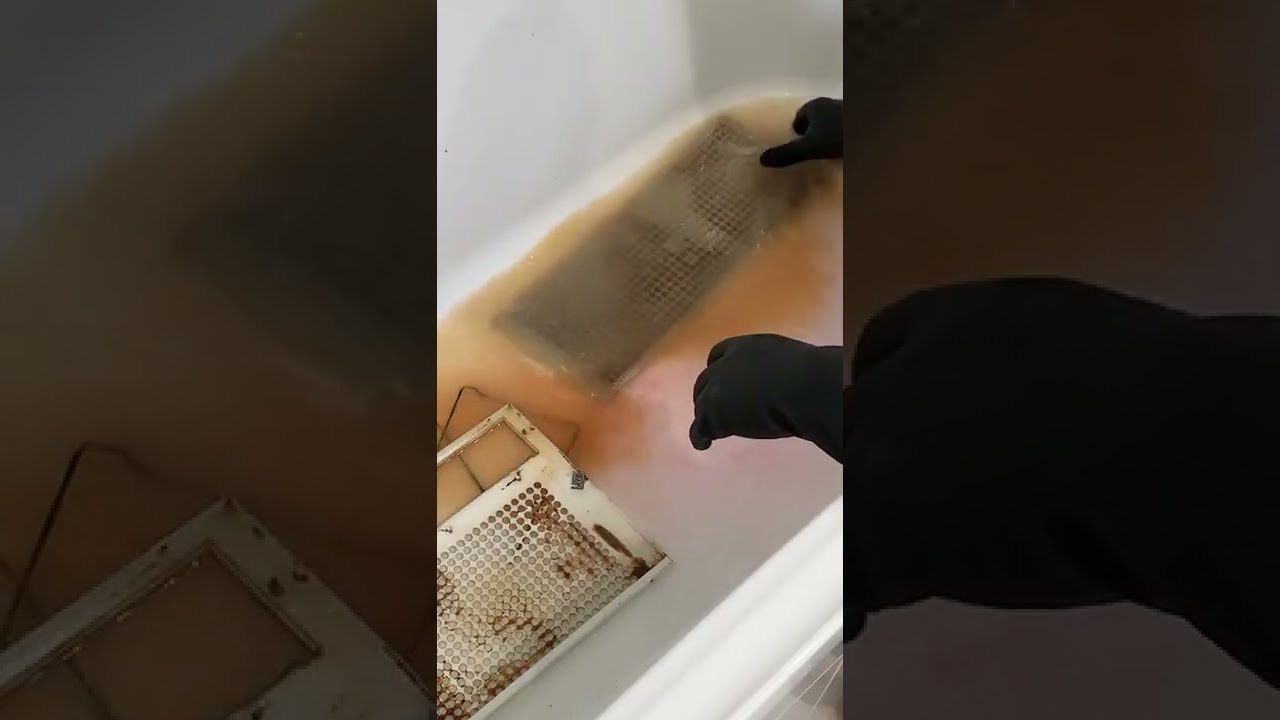
Remove the Filters: Carefully detach the mesh filters. These are the workhorses, and they are usually the dirtiest parts. Soak them in a solution of hot water and degreaser for at least 30 minutes. Scrubbing Action: Use a stiff brush to scrub away the hardened grease. If the grease is stubborn, a paste of baking soda and vinegar can work wonders—the fizzing action helps lift residue. The Housing: Wipe down the exterior and internal metal surfaces. Use a mild degreaser solution and a damp cloth. Never use abrasive scouring pads on the metal housing, as they can scratch the finish. The Ducts: If your rangehood has removable ductwork (and if you are comfortable doing so), these require a careful scrub. This is often the dirtiest part, and it’s where grease can accumulate like a forgotten blanket.
Routine Maintenance and Prevention
The most satisfying part of cleaning Know more is knowing that you don't have to do it every week. Prevention is always better than cure, especially when dealing with grease.

Establishing a Cleaning Schedule
How often should you perform a full rangehood cleaning checklist for Sydney homes?
- Filters: Clean or soak the filters every 4-6 weeks. Exterior Wipe-Down: Wipe the exterior surfaces and controls weekly. Deep Clean: Perform the full, detailed deep clean (including ductwork) every 3 to 6 months, depending on your cooking frequency and the types of meals you prepare.
Day-to-Day Best Practices
Adopting smart cooking habits can drastically reduce the cleaning load. Instead of letting grease build up into hardened deposits, try these simple tips:
- The Ventilation Rule: Always turn on the rangehood before you start cooking, and leave it running for 10-15 minutes after you finish. This captures the lingering steam and grease particles. Grease Management: Wipe up spills immediately. Don't let grease splatter onto the surrounding surfaces. Avoid Overstuffing: Don't let the rangehood run at maximum capacity if the filters are already visibly clogged.
Anecdotally, I once worked with a client in Manly whose rangehood was so encrusted with years of cooking residue that the motor whined in protest. We found that even the most careful cooks can underestimate how much grime accumulates. It was a stark reminder that this appliance is a powerhouse, but it needs its maintenance respect.
Sustaining Sparkling Kitchens
Maintaining a pristine kitchen is not a one-time event; it's a continuous cycle of care. Taking the time to follow this detailed rangehood cleaning checklist for Sydney homes pays dividends in safety, efficiency, and peace of mind. If the task feels too daunting, remember that professional help is available. Hiring a professional service is an investment in safety and air quality, giving you the freedom to enjoy your culinary creations without the underlying worry of grease buildup.
Ultimately, a clean rangehood is more than just a sparkling fixture; it is a silent guardian of your home's air quality and safety. By following these guidelines and making maintenance a routine habit, you ensure that your kitchen remains a clean, healthy, and beautiful space for years to come. What other areas of your home need this level of preventative attention?
