For any successful restaurant or catering facility in Sydney, the commercial kitchen canopy is far more than just overhead metalwork; it is a critical piece of infrastructure that dictates safety, operational flow, and compliance. These canopies manage heat, grease, and smoke, making them indispensable, yet also high-risk components if neglected. Dealing with the complexities of ventilation and fire safety can feel like navigating a labyrinth, especially when regulations seem to change as fast as a sous chef’s temper. The right maintenance strategy is the difference between smooth, profitable service and a costly, disruptive shutdown. Understanding and implementing robust Sydney commercial kitchen canopy maintenance plans is not merely a suggestion—it is a fundamental pillar of responsible business management.
Why Proactive Maintenance is Non-Negotiable for Kitchen Operations
Thinking of maintenance as just an expense is like viewing a vital insurance policy as an optional accessory. In the high-stakes environment of commercial cooking, where grease, heat, and high volumes of equipment converge, the canopy's integrity is paramount. A seemingly minor issue—a blocked filter, a corroded joint, or an improperly functioning exhaust fan—can quickly escalate into a major safety hazard or a massive financial liability.
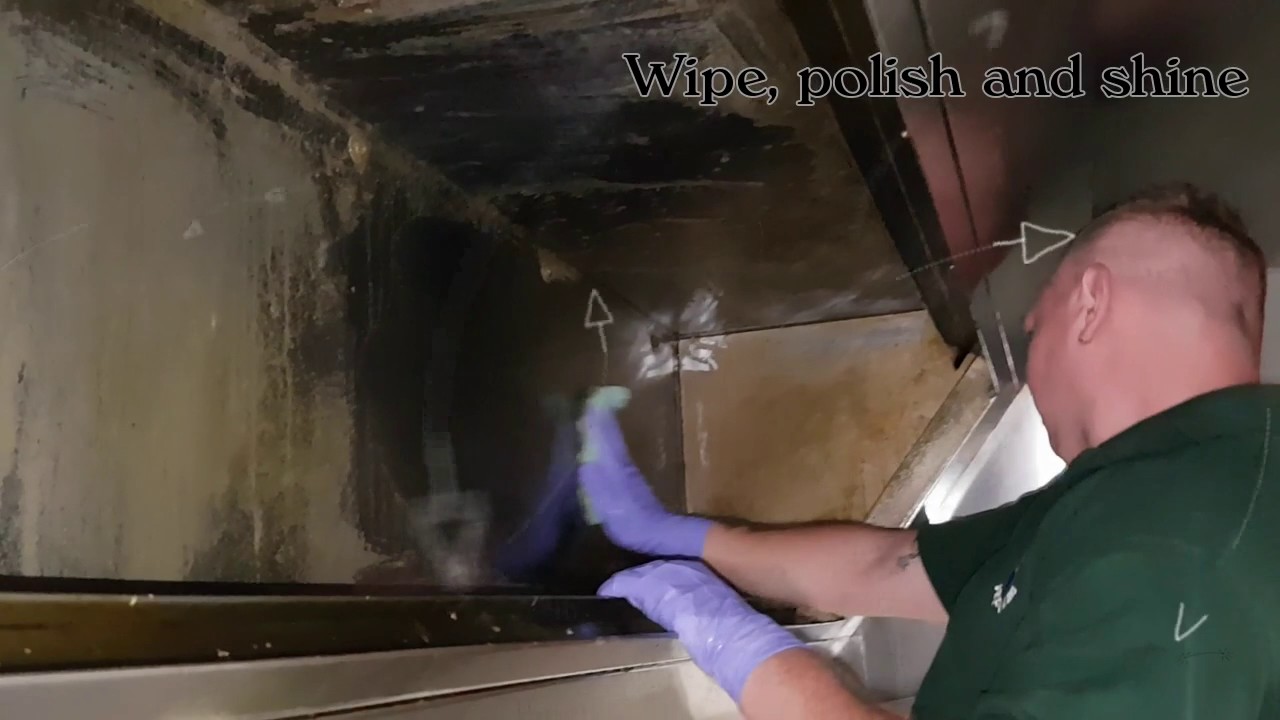
Legal and Safety Compliance Requirements
The regulatory landscape surrounding commercial ventilation is stringent, and Sydney authorities take fire safety very seriously. Compliance is not optional; it is the price of doing business. Failure to maintain proper canopies can lead to devastating consequences, including fines, forced closures, and, worst of all, severe safety risks.

One time, I worked with a small, beloved bakery in the Inner West that had delayed its canopy cleaning for months due to budget cuts. When the inspector arrived, the buildup was so severe it drastically reduced the system's capacity, creating a measurable fire hazard. They learned that day that neglecting preventative care is like playing Russian roulette with your business license.
"The primary goal of maintenance is not just to keep things running, but to keep them legal and safe," noted one industry expert. This quote summarizes the core truth: preventative care is inherently risk management.
Preventing Costly Operational Downtime
Operational downtime is the silent killer of restaurant revenue. When your kitchen canopy fails, the result is often immediate: ventilation shuts down, cooking must pause, and service grinds to a halt. Proactive maintenance, however, acts as a shield against these costly interruptions.
By adhering to scheduled checks, you ensure that the system operates at peak efficiency. This means:
- Energy Savings: Clean filters and ducts allow the exhaust system to pull smoke and heat with minimal effort, reducing electricity bills. Equipment Longevity: Proper maintenance prevents strain on motors and components, extending the life of expensive machinery. Consistent Output: Your team can operate without the constant worry that the ventilation system is about to give up the ghost.
Decoding Comprehensive Canopy Service Packages
Not all maintenance plans are created equal. Understanding the scope of work is crucial. A simple visual check is a far cry from a full, deep-dive system audit. When reviewing Sydney commercial kitchen canopy maintenance plans, you must look beyond the price tag and assess the depth of the service offered.
Understanding the Inspection Process
A comprehensive inspection should be Join now a multi-faceted event, involving more than just wiping away grime. A professional service provider will examine several critical areas:
- Grease Traps and Filters: Checking for blockages and wear that impede airflow. Ductwork Integrity: Looking for corrosion, leaks, or structural weaknesses. Fire Suppression System: Testing the functionality of all installed fire suppression equipment. Motor and Fan Health: Assessing vibration, noise levels, and electrical connections.
This detailed process ensures that the canopy is not just looking clean, but that it is functionally sound.
Predictive vs. Reactive Maintenance
The difference between these two approaches is the difference between predicting a storm and waiting for the roof to collapse.
- Reactive Maintenance: This only kicks in after a problem occurs (e.g., the fan breaks, the smell is unbearable, the inspector gives a warning). This is costly, disruptive, and dangerous. Predictive Maintenance: This is the gold standard. It involves scheduled, routine checks designed to identify potential failure points before they become critical. It’s like getting a car service every six months—you catch the squeaky belt before it snaps the transmission.
Choosing the Right Partnership for Your Kitchen
Selecting a vendor is as important as the plan itself. You need a partner that understands the unique rhythm and pressure of a professional kitchen.
Key Factors to Consider When Evaluating Plans
When comparing various Sydney commercial kitchen canopy maintenance plans, don't let the marketing gloss distract you from the operational realities. Ask these questions:
- Do they offer customizable plans that scale with my business size? What is their guaranteed response time in case of an emergency failure? Are their technicians fully trained in local fire codes and commercial kitchen dynamics? Do they provide detailed, written reports outlining findings and recommended future upgrades?
A good provider should be able to speak the language of both the chef (efficiency, flow) and the compliance officer (safety, regulation).
Securing Your Culinary Confidence
The smooth operation of your commercial kitchen should be the focus of your energy—the art of the meal, the service, the customer experience.